|
|
 |
Cover story |
|
|
| 2013 |
|
Vol.15 No.3 |
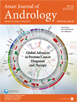
Global Advances in Prostate Cancer Diagnosis and Therapy
Global next-generation sequencing efforts have revealed the molecular landscape of prostate cancer to be rife with complexity. However, we are taking huge strides towards a more comprehensive understanding of this lethal disease, and increasing evidence suggests that genomic lesions frequently converge on specific cellular functions and signalling pathways. We are now entering an exciting era in prostate cancer research, where our vast array of sequence data can be exploited for diagnostic and therapeutic gain. Indeed, the cover image depicts significant molecular lesions in prostate cancer, several of which have the potential to affect patient treatment in the near term. For more information, please refer to the article by Dr Wyatt et al. on pages 301-308. (Art by Xiang Chen) |
| |
Vol.15 No.2 |
Falling sperm counts and global estrogen pollution: lessons learned 20 years on
This special issue is directed towards the lessons learned since two publications in 1992 which prompted the most public, fervent and durable controversy in the short history of Andrology: the claims of world-wide falling sperm counts due to global pollution by industrial estrogenic chemicals. To this end, after the passage of two decades, we invited the progenitors of the controversy as well as range of experienced medical scientists familiar with the controversies to reflect on the lessons learned and offer their summations across a broad range of perspectives. Twelve contributors consider the key issues of whether there is any real decline in sperm counts, and, if there is, whether this has an impact on male fertility , and finally whether global oestrogen pollution causes any of these phenomena. (Art by Xiang Chen) |
| |
Vol.15 No.1 |
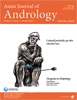
This image on the cover is a parody of Rodin’s ‘‘Thinker’’. It is being used to represent the reluctance of men to seek medical attention, especially when the problem involves their genitalia. Recent advances in andrological surgeries make treatment of even the most challenging of these conditions more successful and less invasive than in times-past. In this context, we are pleased to present this 2013 Asian Journal of Andrology special issue focusing on "Surgeries in Andrology".
This special issue is intended to provide a concise and substantive update for surgical treatment of conditions related to male sexual dysfunction and male fertility. (Art by Vanessa L. Dudley) |
| |
| 2012 |
|
Vol.14 No.6 |
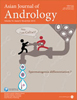
Col1a1, one of the subunit of collagen type I, belongs to extracellular matrix proteins which play a critical role in cellular proliferation and differentiation. However, the role of Col1a1 in the control of proliferation and differentiation of spermatogonial stem cells remains unknown. In this issue, Chen et al. (pages 842-849) explored effects of downregulation of Col1a1 on proliferation and differentiation of mouse spermatogonia. Their data suggest that decreasement of Col1a1 could suppress spermatogonia self-renewal and promote differentiation. In the cover illustration, whether spermatogonia differentiation occurs depends on the opening of blood-testis barrier (the faucet), which is regulated by a number of factors including the Col1a1 (the child in red?) and others (the child in black). These factors work together to either promote or suppress the spermatogonia differentiation, which ultimately leads to the dynamic equilibrium of spermatogonia proliferation and differentiation. (Art by Yiliang Wang.) |
| |
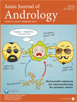
Vol.14 No.5 |
Bortezomib has been approved for the treatment of multiple myeloma, and is currently being investigated in other cancers. In this issue, Hu et al. (pages 695-702) demonstrated that bortezomib causes prostate cancer cells to up-regulate apoptosis-related mRNA as well as death receptors and down-regulate the MHC–I molecule on the cell surface. These data suggest that bortezomib can be used to sensitize prostate cancer cells to NK cell-mediated killing and improve current cancer therapies. This therapeutic strategy may be more effective in patients with androgen-independent prostate cancer. In the cover illustration, prostate cancer (middle) is very frightened because it will be killed by natural killer cells (left and right) soon through apoptotic pathway and others. Bortezomib may enhance immunotherapy for prostate cancer by decreasing the surface expression of MHC-I and increasing the surface expression of death receptors DR5 and Fas. (Art by Xiang Chen.) |
| |
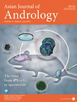
Vol.14 No.4 |
The induced pluripotent stem (iPS) cells could have unlimited potentials to differentiate into various kinds of cell lineages for both regenerative and reproductive medicine. In this issue, Zhu et al. (pages 574-579) demonstrated that mouse iPS cells can be induced by retinoic acid to differentiate into spermatogonial stem cells (SSCs) in vitro and that SSCs can further develop and become spermatogonia and eventually round spermatids in vivo when they are transplanted into recipient testes of infertile mice. The cover photograph illustrates the approaches and the generation of spermatids from mouse iPS cells. Art by Xiang Chen. |
| |
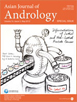
Vol.14 No.3 |
Although the introduction of serum prostate-specific antigen (PSA) in the 1980s has dramatically altered and benefited the initial diagnosis of prostate cancer, the widespread use of PSA testing resulted in overdetection and overtreatment of potentially indolent disease. Thus, a clinical dilemma today in the management of prostate cancer is to discern men with aggressive disease who need definitive treatment from men whose disease are not lethal. The goal of this AJA special issue is to determine if there are tools that can provide additional discrimination to the currently utilized clinical tools to identify those with the forms of prostate cancer most appropriate for a program such as active surveillance and those that will perhaps benefit for more aggressive therapeutic approaches. Basic and clinical scientists discuss current and future approaches to improve the health outcomes of men who are diagnosed with prostate cancer. A majority focuses on novel molecular approaches for the discrimination of lethal prostate cancer, for example, ETS gene rearrangements, CTAs, Cyr61, BRCA2 and genetic predisposition. |
| |
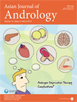
Vol.14 No.2 |
Prostate cancer is one of the most common malignancies in men worldwide. Androgen deprivation therapy (ADT) is widely used in the treatment of locally advanced and metastatic prostate cancer. Its use has increased over the past decade as patients with localized cancer and with biochemical recurrences are also being treated with ADT. While efficacious in a subset of patients, ADT is associated with many adverse effects such as sexual dysfunction, decreased muscle mass and strength, increased fat mass, osteoporosis, gynecomastia, memory changes and vasomotor symptoms. Recently, metabolic derangements, coronary artery disease and cardiovascular mortality have also emerged as adverse effects of ADT. This volume contains articles from renowned experts on the indications and adverse effects of ADT. In this special supplement, in addition to summarizing the indications of ADT, the leading experts have contributed on the following adverse effects of ADT: metabolic and cardiovascular, body composition, hematological, cognitive, vasomotor, quality of life and sexual. Given the large number of men on ADT, it is important that both patients and the physicians are cognizant of these adverse effects. |
| |
Vol.14 No.1 |
Clinical Male Infertility Clinical evaluation of the infertile man is an essential skill in reproductive medicine, with male factors being involved in half of all infertile unions. Accurate diagnosis may allow specific treatments to restore natural fertility and/or identify serious medical conditions more prevalent tin infertile men, such as androgen or gonadotropin deficiency or testicular cancer. This volume contains articles by leading experts on the clinical and laboratory evaluation of infertile men along with background on the pathophysiology of the diverse causations of male infertility. For men for whom specific treatments are not available assisted reproductive treatments, especially intracytoplasmic sperm injection, provide a powerful means to bypass their disability leading to the birth of their own offspring. The emerging science about the environmental and genetic basis of spermatogenic failure is considered along with the implications for ARTconceived offspring. Finally the impact of infertility on couple and male partner is also considered. |
| |
| 2012 |
|

Vol.13 No.6 |
Prostate cancer (PCa) has become the most common malignancy that affects elderly men. Interestingly, PCa occurs predominantly in the peripheral zone (PZ) rather than transition zone (TZ). The mechanisms underlying this phenomenon are largely unknown. In the article of Jiang et al. on pages 798-805, utilizing prostate stromal cells derived from the peripheral zone (PZsc) and the transition zone (TZsc), they found that PZsc provide better stromal microenviroments than TZsc by secreting growth factors, and PZsc have a greater capacity to induce PCa development and progression than TZsc via growth factors regulated by sex hormones. Therefore, targeting stroma in PZ may aid the search for novel prevention and therapeutic strategies for PCa. |
| |

Vol.13 No.5 |
About the cover (The image is from aja201176 from this issue)
Di-n-butyl phthalate (DBP) is an industrial chemical used primarily as plasticizers and is present in a wide variety of products in our daily life, including building materials, medical devices, and particularly food packaging. In the article of Bao et al. on pages 702-709, when male rats were treated with low doses of DBP which are similar to environmental exposure doses, the expression levels of proteins participating in spermatogenesis have changed although no obvious morphological changes appeared. So it is also an endocrine-disrupting chemical that has the potential to affect male reproduction. Therefore, now whether to add DBP in these industrial products, and whether to use these products in male daily life really are the questions. For more information, please refer to the article of Prof. Sha JH et al. on pages 702-709. |
| |
Vol.13 No.4 |
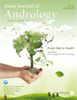
About the cover (The image is from aja201121 from this issue)
The seed for the development of men9s health in Asia was sowed about 10 years ago. This nascent ‘germination’ has certainly grown into a small, but healthy and luxuriant ‘shrub’. The miniature canopy of variant colours signifies the diversed development of men9s health status in Asia. The time is right to plant a strong and deep foundation in the field of men9s health in Asia. With the widespread interest in men9s health issues among the ever enlarging stakeholders, it is our hope and believe that the growth of men9s health development is poised to flourish into a strong unshakable discipline (tree) of medicine. For more information, please refer to the article of Prof. Zhu JC et al. on pages 512-518. |
| |
Vol.13 No.3 |
About the cover (The image is from aja201121 from this issue)
Although a number of genes are known to be involved in spermatogenesis, only a few possess clean-cut arrest phenotypes indicative of their role in global regulation of key spermatogenic steps. LM23 is a gene with testis-specific expression in Rattus norvegicus. The LM23 knock down testes contained germ cells arrested at the spermatocyte stage. LM23 may regulate the G1/S and G2/M transition of the cell cycle. Both Fas-FasL pathway and the mitochondrial pathway may be activated for the down-regulation of LM23. LM23 may be important to both the life and death of the spermatogenic cell. For more information, please refer to the article by Dr Cheng et al. on pages 446-452. |
| |
Vol.13 No.2 |
About the cover (The image is from aja2010171 from this issue)
Currently, docetaxel-based combination chemotherapy remains the predominant modality for castration-resistant prostate cancer. However, taxane-related drug resistance and neurotoxicity limit its clinical utility. The mitotic kinesin-5 motor protein Eg5, which plays a critical role in bipolar spindle formation and duplicated chromosome separation during the early phase of mitosis, has emerged as an attractive target for cancer chemotherapy because inhibition of Eg5 can arrest dividing cells in mitosis followed by cell death, without affecting the function of interphase microtubules. A novel Eg5 inhibitor, S-(methoxytrityl)-L-cysteine [S(MeO)TLC], its potent anticancer efficacy was assessed in prostate cancer both in vitro and in vivo in the article of Dr Xing et al. on pages 236-241. |
| |
Vol.13 No.1 |
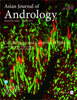
About the cover (The image is from aja201068 from this issue)
The cover picture depicts a cryostat section of mouse testis treated with lucigenin, NADH (nicotinamide adenine dinucleotide) and ethidium bromide. Under these conditions the lucigenin probe localizes to the mitochondria and generates a striking image of the mitochondrial gyres as they are assembled in differentiating spermatozoa within the germinal epithelium (Joel Thogersen and John Aitken, unpublished observations). The mitochondria are the major source of free radicals in spermatozoa and via this mechanism make a significant contribution to oxidative stress in these cells as described in the Chapter by Aitken and Koppers (see pages 36-42). |
| |
| 2010 |
|
Vol.12 No.6 |
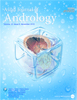
About the cover (The image is from aja201045 from this issue)
Because the androgen-signaling pathway is integral in prostate cancer progression, to gain beneficial effects when managing high risk prostate cancer, androgen deprivation therapy has been highlighted as an optimal systemic modality. Results from several randomized clinical trials have already showed that the combination of radiotherapy and androgen deprivation therapy consistently results in improved disease-free survival and in a decreased biochemical recurrence rate. As an integrated approach combining local therapy and systemic treatment, prolonged androgen deprivation with cryoablation may also lead to a synergistic effect, providing a wider therapeutic territory over that which has been directly affected by cryoablation, especially for high risk patients in whom systemic disease is likely. For more information, please refer to the article by Ko et al. on pages 827-834. |
| |
Vol.12 No.5 |
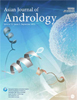
About the cover (The image is from aja201054 from this issue)
Recently, a few of RING finger proteins have been reported to be E3 ubiquitin-protein ligases exclusively present in the testis tissue and play important roles in the process of sperm production and qualitycontrol. ZNF645, a novel RING finger protein, is identified to be exclusively expressed in normal human testicular tissue, present in Leydig cells, spermatocytes, and the postacrosomal perinuclear theca region & the entire tail of sperm. ZNF645 contains a C3HC4 RING finger domain, a C2H2 zinc-finger domain, and a proline-rich region, and might be an E3 ubiquitin ligase. For more information, please refer to the article of Dr. Liu et al. on pages 658-666. |
| |

Vol.12 No.4 |
About the cover (The image is from aja201043 from this issue)
Since time immemorial, plants have been used as valuable and safe natural source of medicines across various civilizations. The healing abilities of wide majority of plants could be ascribed to the pharmacological principles present in them. Plants have a long folklore in aiding fertility. On the other hand, several commonly used plants are known to impair male reproductive functions. The toxicological attributes of various commonly used plants could be due to their effects on various cell types in the testes leading to impaired spermatogenesis and steroidogenesis. From the reproductive standpoint, plants could be rightly described as a double-edged sword. For more information, please refer to the article of Prof. D’Cruz et al. on pages 468-479. |
| |
Vol.12 No.3 |
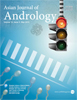
About the cover (The image is from aja200994 from this issue)
Currently, there are only two clinically approved and effective methods of male contraception, condoms and vasectomy. Each method has drawbacks. Condoms provide protection against sexually-transmitted disease, but are intrusive and associated with a relatively high rate of unintended pregnancy. Vasectomy is highly effective, but is difficult to reverse and may lead to chronic testicular discomfort. Newer approaches to male contraception as well as optimization of existing contraceptive approaches such as vasectomy are needed to prevent unintended pregnancy. For more information, please refer to the article of Professor Amory et al. on pages 315-321. |
| |
Vol.12 No.2 |
With the release of the latest edition of the World Health Organization (WHO) Laboratory Manual for the Examination and Processing of Human Semen (5th edition), Asian Journal of Andrology (AJA) is pleased to present this special issue on "Semen Analysis in 21st Century Medicine" which launches into a sometimes incendiary debate surrounding the recommendations and guidelines for quality control and interpretation set down in the manual. We are honored to invite Prof David J Handelsman and Prof. Trevor G Cooper to be the guest-editors. The purpose of the collection is to discuss some of the behind the scenes controversies, many of which continue, including the origins, utility and specific applications of population reference ranges for semen analysis, problems with modern morphological methodology and the possibility and limitations using semen analysis in population or clinical research studies beyond the original uses for male infertility evaluation. It is our sincere hope that perspectives in this issue will educate readers to approach the new WHO manual with a realistic and critical appreciation of the balance its recommendations represent. In short, we are very excited to present this outstanding collection, and would like to thank two guest-editors and all of our authors for their contributions and support to AJA. We wish the readers a happy and productive New Year and please sit back and enjoy this Special Issue! |

|
|
|
